Serving Benicia, CA and surrounding areas. (707) 750-8535
Stranded on the bridge, locked out in a parking lot, or dead in the water on I-780 - we are on the way. Jump-starts, flat tires, lockouts, and fuel delivery any hour of the day.
Roadside assistance is a broad set of on-the-spot services designed to get you moving again without a tow. The most common calls are for dead batteries, flat tires, keys locked inside the vehicle, and running out of fuel. A technician comes to you, handles the problem on-site, and you are back on the road - often in under an hour. Most roadside jobs take 15 to 30 minutes once the tech is on scene.
A trained technician uses the right tools and follows safe procedures - proper jump-start cables, correct tire-change technique on a stable surface, non-destructive lockout tools. Cutting corners - like a jump-start done in the wrong order, or a tire changed on a soft shoulder without wheel chocks - can damage your vehicle or create a safety hazard. Sometimes what looks like a dead battery is actually a bigger problem, or a flat tire turns into a tow when the spare is unusable. A provider who also offers towing can handle that transition on the spot, which saves you from making a second call and waiting again. If a tow turns out to be necessary, our winch out service is available for vehicles in difficult positions.
California consumer-protection rules give you the right to a clear price before work begins. A trustworthy local provider will give you a quote upfront and provide a receipt - no shock charges when you are already having a bad day. If your vehicle ends up needing a tow rather than an on-site fix, ask specifically about the applicable rate structure before the truck moves.
A dead battery or no-start situation anywhere along the I-780 or Benicia-Martinez Bridge corridor is a roadside emergency, not just an inconvenience. You are in a high-traffic zone with limited safe space to wait, so call immediately rather than trying to push or coast to a safer spot.
A blowout or sudden flat on I-780, I-680, or the waterfront industrial roads near the refinery puts you in a dangerous position. Pull as far off the road as possible, turn on your hazards, and call - changing a tire yourself in a live traffic lane is one of the most dangerous things a driver can do.
Whether it happened in a parking lot, at a trailhead along the Carquinez Strait, or at a gas station, a lockout is exactly what roadside assistance is built for. Do not try to force the door or break a window - a tech can open it cleanly without damage.
Running dry on the bridge or its on-ramps is a real hazard, especially during the commute rush when traffic is moving fast. A fuel delivery gets you enough to reach the nearest station safely without the risk of walking along a highway shoulder.
Sometimes a warning light, a strange noise, or a minor mechanical issue leaves you unsure whether to drive on. A roadside tech can assess the situation on the spot and tell you honestly whether it is safe to continue or whether a tow to a shop is the smarter call.
Our roadside assistance covers the full range of common on-the-spot calls: battery jump-starts and swap-outs for batteries that will not hold a charge, flat tire changes using your spare, lockout service for both conventional and electronic lock systems, and fuel delivery to get you to the nearest station. We serve Benicia streets, the I-780 and I-680 corridors, the Benicia-Martinez Bridge approaches, and the surrounding service area including drivers heading toward Martinez, CA and the broader Carquinez Strait corridor.
If the on-site fix reveals a bigger issue - a battery that needs full replacement, a tire that cannot be safely patched, or a mechanical problem that makes the vehicle unsafe to drive - the tech will tell you plainly and discuss next steps. A provider who also offers towing transitions to that service without making you start over with a second call. Drivers traveling north toward American Canyon, CA and the Napa area are also within our service corridor.
When your battery dies, a technician connects a power source to yours and gets the engine running again. If the battery is too far gone to hold a charge, they can often swap it out on the spot.
A roadside tech swaps your flat for your spare if it is in usable condition. If the spare is also flat or missing, they will discuss whether a tow to a tire shop is the next step.
If you have locked your keys inside, a technician uses specialized non-destructive tools to open the door. Modern vehicles with electronic locks are handled routinely.
Running out of gas on a highway or bridge approach is more common than most drivers expect. A roadside tech brings enough fuel to get you to the nearest station safely.
Benicia sits at the junction of I-780 and I-680, with the Benicia-Martinez Bridge carrying heavy daily traffic between Solano and Contra Costa counties. A breakdown on the bridge or its approaches is a high-stress situation - you are exposed to fast-moving traffic with limited shoulder space, and response logistics are more complex than a surface-street call. Knowing a local provider who is familiar with this corridor can make a real difference in how quickly and safely help arrives. Benicia is also home to a major petroleum refinery and a significant industrial waterfront, which means heavy commercial truck traffic moves through city streets and along the waterfront corridor regularly - which can affect response times during shift changes and peak freight hours.
The inland Solano County climate runs significantly hotter in summer than the Bay Area coast, with temperatures regularly climbing into the 90s and above. Heat accelerates battery wear and increases the risk of tire blowouts, especially on vehicles that sit in the sun or run long highway stretches. Summer is the peak season for dead-battery and flat-tire calls in this area. On the other end of the calendar, the Sacramento-San Joaquin Delta region, which Benicia borders, is known for dense tule fog in the winter months. Reduced visibility on I-780, I-680, and the bridge approaches leads to more incidents and stranded drivers - and if you are calling for roadside help during a fog event, expect that the tech may take longer to reach you safely.
These seasonal conditions - summer heat that kills batteries and tule fog that creates incidents - are exactly why having a local roadside provider's number saved before something goes wrong is worth the 30 seconds it takes. A provider who is staffed and ready for the seasonal surges that hit the Benicia area is more likely to answer on a hot July afternoon or a foggy January morning than one who is not prepared for the local pattern.
When you call, the dispatcher will ask where you are, what kind of vehicle you have, and what is happening. The more specific you can be about your location - a mile marker on I-780, the name of the nearest exit, or a cross street - the faster the tech can find you. You will get an estimated arrival time right away.
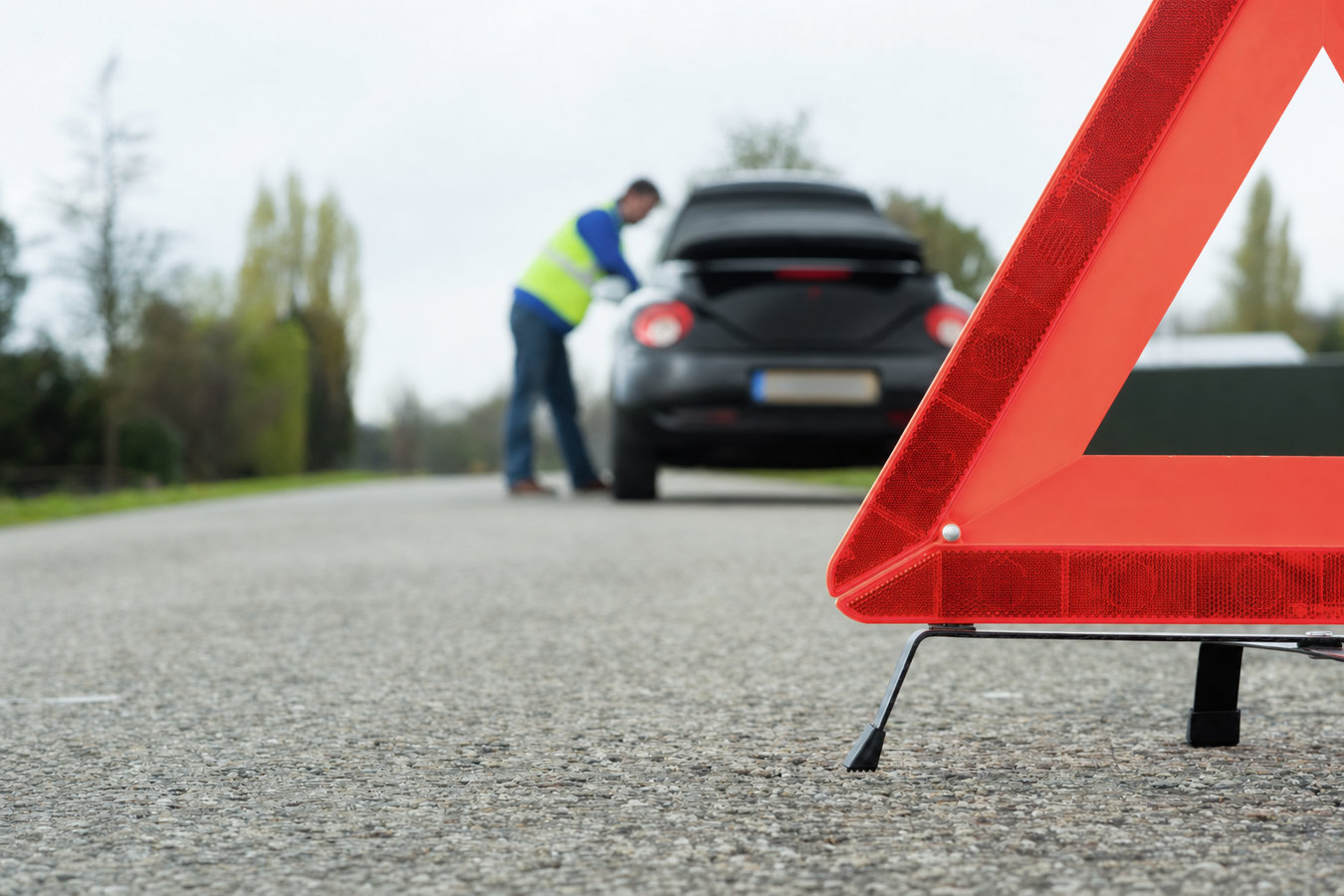
If you are on a highway or the bridge, stay in your vehicle with your seatbelt fastened unless it is clearly safer to exit and move away from traffic. Turn on your hazard lights and, if you have them, set out reflective triangles or flares behind the vehicle. The dispatcher may give you specific safety guidance based on where you are.
When the tech pulls up, they will introduce themselves, confirm what you need, and take a quick look at the vehicle before starting work. For a battery issue, they test the battery first to confirm it is the problem. For a flat, they check whether your spare is usable. This assessment takes just a few minutes and makes sure the right fix gets done.
Most roadside jobs - a jump-start, a tire swap, a lockout, a fuel delivery - are completed at your location without moving the vehicle. The tech works safely and methodically, and will let you know if something unexpected comes up, like a battery that needs replacement rather than just a jump.
Before the tech leaves, they will confirm the vehicle is running and safe to drive. If they found something that needs a shop's attention - a battery that is near the end of its life, a tire that has been patched before and should not be patched again - they will tell you plainly. You are never obligated to take additional services.
Payment is handled on-site or through your motor club or insurance if you have roadside coverage. Ask for a receipt that describes the service performed and the charges - this is useful if you need to file a reimbursement claim. California consumer-protection rules give you the right to a clear accounting of what you were charged.
Available 24 hours a day, 7 days a week - including the bridge, I-780, and every Benicia street in between.
(707) 750-8535Being stranded on the Benicia-Martinez Bridge or the I-780 on-ramps is genuinely dangerous, and every minute counts. A local provider who knows these roads gets there quickly and works safely in high-traffic conditions - not a dispatcher routing a truck from across the county.
A trained tech uses the right tools and the right technique, whether that is a proper jump-start sequence that protects your electronics or a non-destructive lockout that leaves your door and lock intact. You do not trade one problem for a more expensive one.
Roadside pricing in California is subject to consumer-protection rules, and a trustworthy local provider gives you a clear price before work begins. You know what you are paying before the tech touches your vehicle - no shock charges when you are already having a bad day.
Tule fog on the Delta corridor in winter and triple-digit heat in Benicia summers generate the most roadside calls in this area. A provider staffed and ready for the seasonal surges is more likely to answer when you need help - not overwhelmed or caught short-handed.
Sometimes what looks like a dead battery is actually a bigger problem, or a flat tire turns into a tow when the spare is unusable. A provider who can handle the roadside fix on the spot and, if a tow turns out to be necessary, transition to that service without you having to make a second call.
California requires towing and roadside operators to carry proper licensing and insurance, and you can verify this with the California DMV. Operators trained through a recognized certification program have completed structured training in safe roadside procedures - the difference between a tech who follows a safe process and one who improvises.
Add us to your phone today so you are never searching for help on the side of I-780 at midnight. The best time to save a roadside number is before you need it - not while you are staring at a flat tire in the dark.
When your vehicle needs to travel beyond the local area to a dealer, repair facility, or destination across the state.
Learn MoreFor vehicles stuck in mud, sand, or off-road situations where a standard tow is not enough to get you out safely.
Learn MoreCall (707) 750-8535 - available 24/7 including the Benicia-Martinez Bridge, I-780, and every street in Benicia.