Serving Benicia, CA and surrounding areas. (707) 750-8535
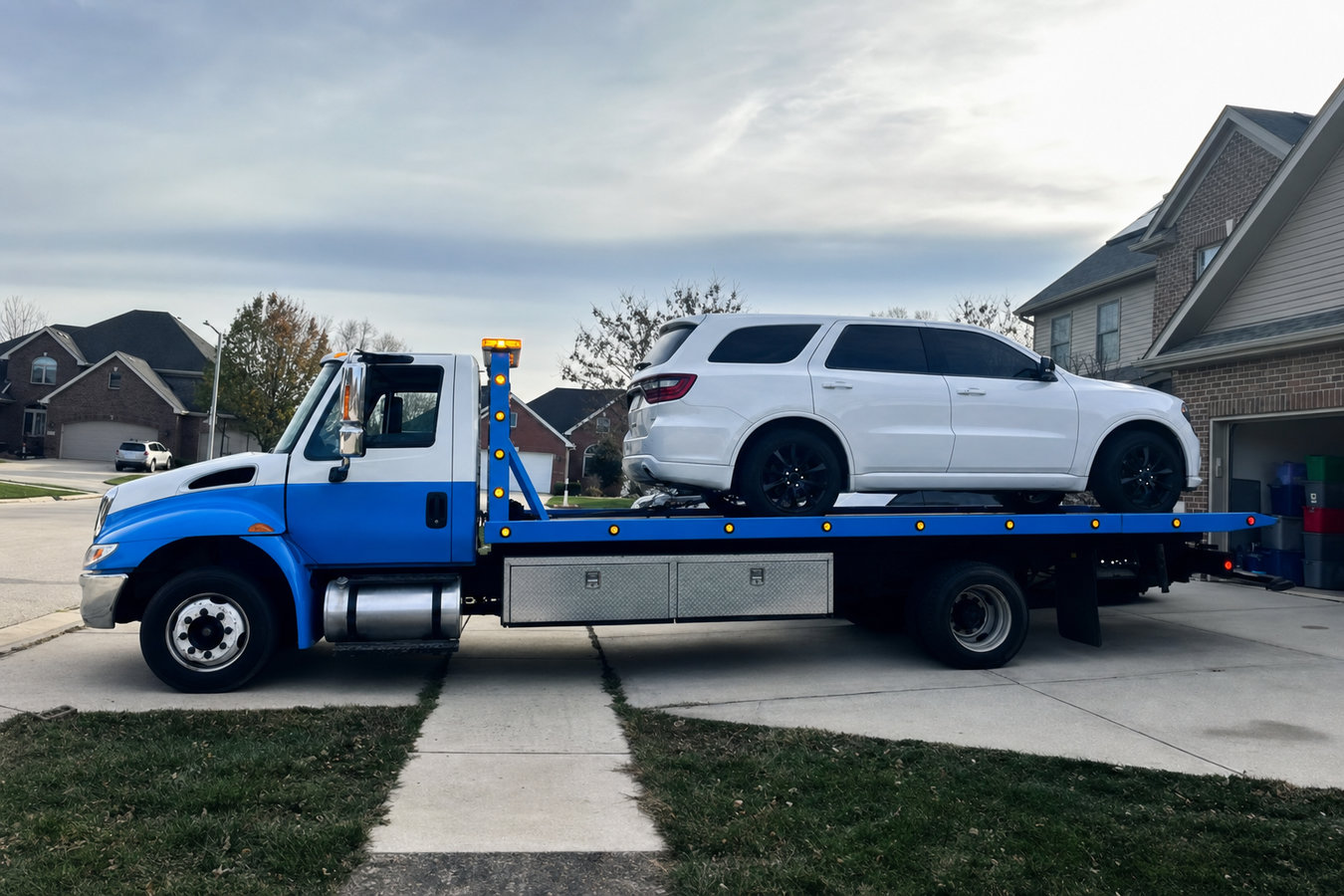
Whether your vehicle was towed by police or you need temporary storage after a breakdown, we run a secured, monitored lot and can tell you exactly what you need to retrieve it without surprises at the gate.
Vehicle storage in Benicia means your car or truck is held in a secured, fenced lot after a tow - whether you arranged it or someone else did - with storage fees starting the moment your vehicle arrives, and release available once you show the right ID, ownership proof, and payment.
Most people end up in vehicle storage unexpectedly. A collision on I-780, a private-property tow from an apartment lot, a police-ordered impound, or a breakdown that left you without a way to get the car to a shop - all of these routes lead to the same place: a storage yard with fees ticking up daily. The faster you act, the less you owe. If the vehicle came in after a police-ordered tow, our police towing page explains the release steps specific to law-enforcement impounds.
This is not a parking garage. The lot is gated, monitored, and managed by our staff. We document every vehicle at intake - so there is a clear record of its condition from the moment it arrives - and we will walk you through the retrieval process from the first phone call to the moment you drive away.
If your car is no longer where you left it and you did not arrange a tow, it may be in storage. The first call to make is to the Benicia Police Department's non-emergency line. They can confirm whether a tow was ordered and which company has your vehicle. Assuming it was stolen when it was actually towed - or the reverse - wastes time while fees add up.
California requires towing companies and law-enforcement agencies to notify registered owners after a non-consensual tow, usually within a short window. If you received a notice, it will list the storage facility's name, address, and what steps to follow. Read it as soon as it arrives and contact the facility the same day - every day of delay adds to your bill.
Collisions on I-780, on the Benicia-Martinez Bridge approach, or on local roads often result in a police-ordered tow, especially if the vehicle cannot be driven. In those cases, you may not have had time to choose a drop-off location. The vehicle goes to a facility on the agency's approved list, and storage charges begin from the moment it arrives - even before you know where it is.
Insurance decisions, repair shop availability, and total-loss evaluations take days or weeks. Meanwhile, the vehicle sits in storage and the bill grows. If you know a delay is coming, contact the storage facility and stay in communication. Ignoring the situation does not pause the charges - it just makes them harder to manage when you finally act.
Our storage lot holds vehicles of all sizes - personal cars, SUVs, trucks, and commercial vehicles that came through our towing service. Every vehicle is logged at intake with a condition record so there is no question about what arrived and in what state. For vehicles coming in through our medium duty towing service - box trucks, work vans, and larger commercial units - we have the space and equipment to handle oversized vehicles that standard impound lots cannot accommodate. We operate in compliance with California's consumer protection rules on non-consensual tow storage, which means posted rates, itemized billing on request, and clear communication about what you owe before you make the trip to the lot.
When you call us, we will tell you the vehicle's location, the current charges, the daily rate going forward, and exactly what you need to bring for same-day release. If a law-enforcement hold is in place, we will tell you that too and point you to the right agency to get it cleared. For vehicles that cannot be driven after retrieval, we can arrange onward transport to a repair shop or other destination as part of the same call. Staying informed is how you keep this situation manageable.
Secured holding for vehicles following a police-ordered or law-enforcement impound, with condition documentation at intake and itemized billing.
Temporary storage for vehicles involved in accidents that cannot be driven while insurance or repair decisions are worked out.
Vehicles towed from private lots, apartment complexes, or commercial properties under California's non-consensual tow regulations.
Oversized vehicle storage for box trucks, work vans, and commercial units from the Benicia industrial corridor that require more space than a standard impound lot.
Benicia sits where I-780 meets the Benicia-Martinez Bridge, one of the main crossings on the I-680 corridor between the East Bay and Solano County. Tule fog on the Carquinez Strait is dense in fall and winter and has been a factor in multi-vehicle incidents on the bridge approaches for decades. Vehicles caught in those incidents are towed fast - often before the owner has had a chance to call anyone - and end up in storage while insurance and repair decisions get sorted out. Residents of Vallejo, CA and commuters using the bridge regularly are among those most likely to find themselves in this situation.
The city also has a significant industrial base along the waterfront, including active commercial operations that generate fleet and work truck traffic. Commercial vehicles from these corridors occasionally require police-ordered removal or storage following an incident - and Benicia is a smaller city, meaning the nearest qualified repair shops for specialty vehicles may be in Martinez, CA or further into the East Bay. That added distance can stretch the time a vehicle sits in storage, which is why understanding the daily charge structure and acting quickly matters more here than it might in a city with a shop on every block. California law gives you specific rights as a vehicle owner in storage situations - you can review the non-consensual tow consumer protections at the California DMV.
Call us and we confirm the lot location, current charges, and the daily storage rate going forward. If we do not have your vehicle, we will help you identify who does. We respond to messages within one business day, but calling directly is fastest.
We provide a full breakdown - towing fee, daily storage rate, and any additional charges like after-hours release. California law entitles you to an itemized statement, and we provide one without being asked. If rates are subject to local caps, we follow them.
Collect your valid photo ID, vehicle registration or title, and payment. If a law-enforcement agency ordered the tow, ask whether you need a release document from that agency before coming to the lot - this avoids a wasted trip.
At the lot we verify your identity, confirm ownership, process payment, and walk you through any paperwork. Before you leave, compare the vehicle's condition against the intake record we created on arrival. Raise anything that concerns you before driving away.
Call now and we will give you the lot location, current charges, and the exact documents you need - so you can retrieve your vehicle in one trip.
(707) 750-8535Your vehicle sits behind a locked gate with lighting and monitoring from the moment it arrives. It is not left exposed in an open lot. When you call to ask about the setup, we answer directly - because that is a fair question and you deserve a straight answer.
We photograph every vehicle when it arrives at the lot. That record exists for your protection and ours. If any question about damage comes up after retrieval, there is a timestamped baseline - not a dispute over memory.
The Towing and Recovery Association of America sets professional standards for storage operations. We operate within California's consumer protection framework for non-consensual tows - posted rates, itemized billing, and clear disclosure of your rights. The California DMV publishes those protections publicly, and we welcome you to review them.
Vehicles from incidents on I-780 and the Benicia-Martinez Bridge approach are a regular part of what we handle. We know the CHP coordination process for that corridor and the specific steps for law-enforcement holds on vehicles from those incidents - which means fewer delays and fewer surprises for you.
Every one of these points comes back to the same thing: you should know where your vehicle is, what it will cost to get it back, and exactly what to bring when you come to the lot. That is what we make sure of from the first call. The Towing and Recovery Association of America sets the professional and safety standards we operate under.
Box trucks, work vans, and commercial vehicles towed to our lot or your destination using equipment matched to the vehicle's weight class.
Learn MorePolice-ordered tows on Benicia city streets and the I-780 corridor, with guidance on law-enforcement holds and release requirements.
Learn MoreCall now and our dispatch team will tell you exactly where your vehicle is, what you owe, and what to bring - so you can get it back today.